
Small batch sheet metal electrophoresis is prone to the following typical defects due to the characteristics of small order quantities, large fluctuations in pre-processing, and low frequency of tank maintenance. Targeted solutions should be taken based on process principles:
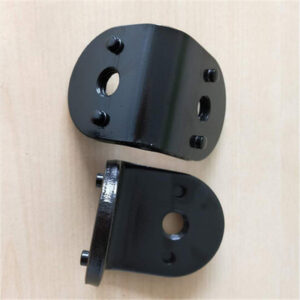
4、 Coating discoloration and color difference
- Defect manifestation: Uneven coating color, uneven patches of varying shades (discoloration), or significant color differences (color difference) between different batches of workpieces.
- Core causes:
- Fluctuations in the composition of the tank solution: resin, pigment, and additives are out of proportion, or the tank solution is contaminated (such as mixing with other colored coatings).
- Differences in pre-treatment film layers: The thickness and composition of the phosphating film are inconsistent, resulting in differences in the adsorption capacity of the coating and color expression.
- Uneven baking temperature: The temperature fluctuation of the baking oven is greater than 5 ℃, or the workpieces are placed too densely, resulting in different degrees of coating curing and varying shades of color.
- Solution:
- Stabilize the composition of the tank solution: Regularly check the content of resin, pigment, and additives, and supplement them in proportion; Strictly separate the different colored tank solutions to avoid color mixing; Replace 10% to 20% of the tank solution every week to maintain stable composition.
- Unified pre-treatment standard: The thickness of the phosphating film should be controlled within 5-8 μ m, the composition (such as Zn ₂ P ₂ O ₇ content) should be consistent, and the passivation film should be intact without spots.
- Calibration of baking process: The temperature of the baking oven is controlled at 160-180 ℃, with fluctuations ≤ 3 ℃; The spacing between workpieces should be ≥ 10cm to avoid blocking hot air and ensure uniform curing of the coating.
5、 Coated orange peel, sagging
- Defect manifestation: The coating surface appears orange peel like (orange peel), or the local coating is too thick and sagging (flowing), affecting the appearance.
- Core causes:
- Abnormal viscosity of coating: The viscosity of the tank solution is too high (due to the aggregation of coating particles) or too low (due to insufficient particle dispersion), resulting in poor leveling of the coating.
- Improper electrophoresis parameters: high voltage (rapid deposition of coating particles, insufficient leveling time), excessive current density (locally thick coating).
- High workpiece temperature: The pre-treatment drying temperature is too high, and the surface temperature of the workpiece is greater than 50 ℃, causing the coating particles to quickly solidify and unable to level.
- Solution:
- Adjust the viscosity of the bath solution: Control the cathodic electrophoresis viscosity within 15-25s (Ford Cup 4 #), regularly test and replenish resin/diluent to maintain stable viscosity.
- Optimize electrophoresis parameters: Control the voltage at 180220V and the current density at 0.81.2A/dm ² to avoid coating defects caused by excessively high parameters.
- Control the temperature of the workpiece: the pre-treatment drying temperature is 60-80 ℃, the surface temperature of the workpiece is ≤ 40 ℃, and it should be fully cooled before entering the electrophoresis tank.
Additional precautions for small batch orders
- Maintenance frequency of tank solution: For small batch orders, the tank solution has a short usage time and needs to be tested daily for pH value, solid content, and viscosity. 10% to 20% of the tank solution should be replaced every week to avoid component fluctuations.
- Consistency of pre-processing: The pre-processing of small batch orders is easily affected by manual operations and requires the use of an “automated pre-processing line” to ensure stable parameters for oil removal, phosphating, and passivation.
- Hanger reuse management: Hangers for small batch orders are prone to rusting, so they need to be polished and rust removed before each use to avoid impurities from entering the tank.