
1、 Analysis of the causes of bending rebound problem
Bending rebound is the most common precision problem in sheet metal processing, which is essentially the elastic recovery of materials after plastic deformation. The rebound amount is influenced by multiple factors: the higher the yield strength and lower the elastic modulus of the material, the more obvious the rebound; The larger the bending angle, the corresponding increase in rebound compensation is required; Excessive clearance between molds and insufficient edge pressure can also exacerbate the degree of springback. In small-scale processing, accurate estimation of rebound is more difficult due to the lack of batch trial mold data support.
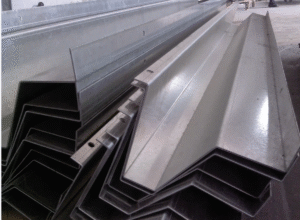
2、 Bending rebound control strategy
Optimizing process parameters is the primary means. By increasing the edge pressure, reducing the mold gap, and extending the holding time, the elastic recovery of the material can be effectively suppressed. For high-strength materials, the bending method can be used – that is, increasing the bending angle by 2 °~5 ° during programming, and using the bending amount to offset rebound. Mold compensation technology is equally crucial. Establish a rebound compensation database based on different materials and thicknesses, and convert theoretical angles into actual machining angles. For complex parts, multi-point segmented bending can be used to compensate for overall rebound errors through fine adjustment of local angles.
3、 Quality assurance measures
It is recommended to establish a first piece inspection system for small batch processing, measure the actual bending angle through coordinate measurement or profile inspection instrument, and quickly adjust the process parameters after comparing with the theoretical value. At the same time, a process knowledge base should be established to accumulate experience data on rebound compensation for different materials, thicknesses, and structures, gradually improving process stability.
Core point: Bending rebound requires “over bending compensation+mold adjustment”. Although it is difficult to test molds in small batches, stable high-precision delivery can still be achieved through refined process design and first piece verification.
Metalstar looks forward to collaborating with you!