
45 # steel, as a common medium carbon steel, has a wide range of applications in the field of CNC prototyping.
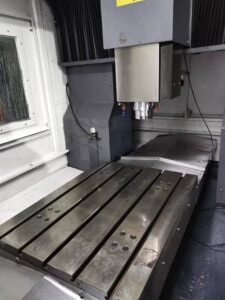
45 # steel has good comprehensive mechanical properties, moderate strength and hardness, and can meet the mechanical performance requirements of most prototype parts. In the CNC machining process, it exhibits good machinability. Although its cutting resistance is slightly higher compared to some easy to cut stainless steels (such as 303 stainless steel), efficient machining can still be achieved through reasonable selection of cutting tools and cutting parameters, and tool wear is also within an acceptable range.
The cost of 45 # steel is relatively low and raw materials are easy to obtain, making it an economical choice in budget limited prototype projects. At the same time, the surface quality of the processed parts is good. After appropriate heat treatment (such as quenching and tempering), the strength and wear resistance of the parts can be further improved, and the service life can be extended.
In terms of applicable scenarios, 45 # steel is commonly used to manufacture prototype prototypes with certain requirements for strength and wear resistance, but low requirements for corrosion resistance, such as mechanical transmission components, brackets, fixtures, etc. 45 # steel plays an important role in the production of prototypes in industries such as automobiles, machinery, and electronics.
However, 45 # steel also has some shortcomings, such as poor corrosion resistance and easy rusting in humid or corrosive environments. Therefore, surface treatment (such as galvanizing, painting, etc.) is usually required during use to improve its corrosion resistance. In addition, when processing complex shaped parts, multiple clamping and processing may be required, which increases the difficulty and cost of processing. But overall, 45 # steel occupies an important position in CNC prototyping due to its excellent performance and economy.